
The Rise of Leather Products: Trends Driving Global Demand | slot macau188, situs slot deposit pulsa tanpa potongan, serbaqq
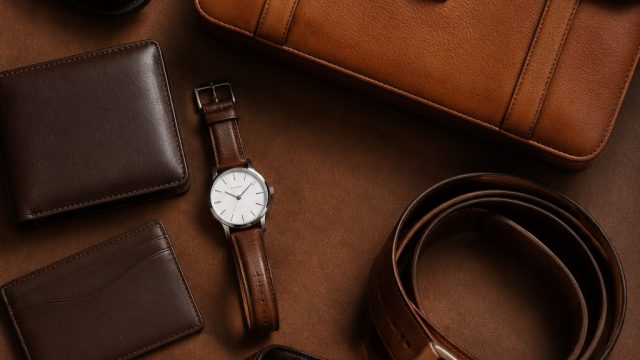
As the global market continues to evolve, leather products remain a staple within various industries. With increasing consumer awareness and changing preferences, B2B exporters must stay informed about the latest trends that shape this sector. From sustainability to innovative design, the demand for high-quality leather goods is on the rise, and understanding these dynamics is crucial for success in the industry.
Understanding the Current Landscape of Leather Products
The leather industry has long been associated with luxury and durability. However, recent shifts in consumer behavior are compelling manufacturers and exporters to adapt. Today, sustainability plays a pivotal role in driving the market forward.
The Shift Towards Sustainable Practices
- Eco-Friendly Materials: Many consumers now prioritize brands that utilize sustainable production methods.
- Waste Reduction: Companies are exploring ways to minimize waste and repurpose materials, leading to innovative product designs.
- Ethical Sourcing: Transparency in sourcing is becoming a critical factor in purchasing decisions, prompting businesses to ensure ethical practices.
As a result, B2B exporters who embrace sustainable practices can differentiate themselves in a crowded market. Companies emphasizing eco-friendly processes not only appeal to environmentally conscious consumers but also align their brands with global sustainability goals.
Consumer Preferences Shaping Leather Products
In today's fast-paced marketplace, understanding consumer preferences is vital. Several trends are influencing the design and production of leather goods, impacting what businesses prioritize in their offerings.
Customization and Personalization
Consumers are increasingly looking for products that match their unique styles and preferences. As a result, customization options are becoming more popular. Here’s how B2B exporters can respond:
- Offering bespoke designs and branding options.
- Implementing flexible production processes to accommodate unique requests.
- Utilizing technology to create personalized experiences for customers.
Innovative Designs and Functionality
Modern consumers value both aesthetics and practicality in their purchases. Leather products that blend traditional craftsmanship with contemporary design elements are gaining traction. B2B exporters should consider the following:
- Integrating technology into products, like smart leather goods.
- Developing versatile items suitable for various occasions.
- Emphasizing durability and quality in design.
The Impact of Global Trade on Leather Exports
Global trade dynamics significantly affect the leather market, with new opportunities and challenges emerging. Understanding these factors can help B2B exporters navigate the complexities of the international market.
Emerging Markets and Opportunities
Countries in Asia and Africa are rapidly becoming key players in the leather industry. Expanding markets provide new opportunities for B2B exporters to tap into:
- Increased demand for leather products in developing nations.
- The growth of e-commerce, enabling easier access to global consumers.
- Emerging designers and niche markets seeking high-quality leather goods.
Challenges in the Global Supply Chain
While opportunities abound, challenges in the global supply chain persist. B2B exporters must be prepared to address these obstacles:
- Logistical issues and delays in shipping.
- Compliance with international regulations and standards.
- Fluctuating raw material prices impacting production costs.
Conclusion: Staying Ahead in the Leather Industry
As trends in the leather industry continue to evolve, staying informed and adaptable is essential for B2B exporters. Emphasizing sustainability, personalization, and innovative design can help businesses capture the growing demand for leather products. By understanding global trade dynamics and consumer preferences, companies can position themselves strategically in the marketplace. Now is the time to embrace these trends and ensure your leather products meet the needs of today’s discerning consumers.
 Emerging Markets for Leather P
Sustainability in Leather Prod
Building Long-term Relationshi
Sourcing Quality Leather: A St
Emerging Markets for Leather P
Sustainability in Leather Prod
Building Long-term Relationshi
Sourcing Quality Leather: A St
Leave us a message
24-hour online customer service at any time to respond, so that you worry!