
Discovery of a Major Viking Textile Production Hub in Denmark | dewa212 slot, kumbang4d, momentum casino card
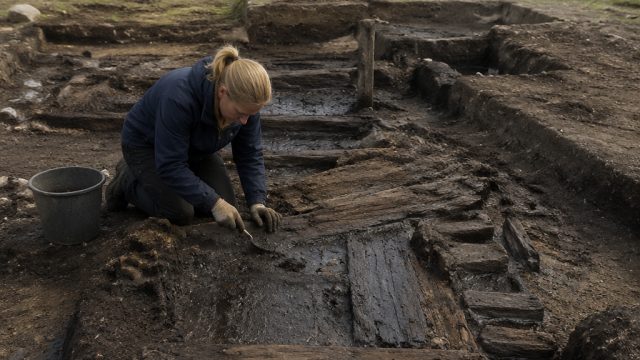
The recent archaeological findings in Denmark have uncovered a substantial site dedicated to Viking textile production, providing unprecedented insights into the weaving and fabric trade of the Viking Age. This remarkable discovery not only enhances our understanding of Viking craftsmanship but also underscores the importance of Denmark as a cultural and economic hub during this historic period.
A Significant Archaeological Find
The site, located in the central region of Denmark, is believed to have been a bustling center for textile manufacturing, showcasing advanced techniques that Vikings employed in their fabric production. Researchers have unearthed various tools, looms, and remnants of textiles that highlight the sophistication of Viking artisans. This finding is crucial as it sheds light on the economic activities that supported Viking society.
Unearthing the Past
- Location: Central Denmark
- Artifacts Discovered: Looms, weaving tools, and textile remnants
- Historical Context: Viking Age economic and cultural practices
Why This Discovery Matters Now
In an era where historical insights can influence modern craftsmanship and design, the findings from this Viking textile production site come at a crucial time. As the interest in sustainable and artisanal practices grows, understanding how Vikings produced and traded their textiles can inform contemporary approaches to textile production. Additionally, this discovery emphasizes the significance of preserving archaeological sites which provide a window into our shared past.
Impacts on Current Textile Trends
With the increasing popularity of handmade and sustainable fashion, the Viking textile site offers lessons in traditional craftsmanship that modern-day artisans can draw inspiration from. By examining ancient techniques, designers can incorporate sustainable practices and unique weaving methods into their work, resonating with today’s eco-conscious consumers.
Connecting History with Modernity
The implications of this discovery extend beyond academic interest; they connect our historical heritage with modern cultural narratives. As the world increasingly seeks authenticity in products, the story of Viking textile production can serve as a compelling narrative for brands focused on heritage and craftsmanship.
Cultural Heritage and Tourism Potential
This significant archaeological site can also become a focal point for cultural tourism in Denmark. By promoting the rich history of Viking textile production, local governments can attract visitors interested in learning about the Viking Age and its influence on contemporary society. This could lead to economic benefits through increased tourism while fostering a deeper appreciation for Denmark’s historical contributions.
Conclusion
The discovery of the Viking textile production site in Denmark is a landmark finding that not only enhances our understanding of Viking craftsmanship but also serves as a bridge connecting the past with contemporary practices. As we move forward, the lessons learned from these ancient artisans can inspire modern approaches to sustainability and craftsmanship, proving that history is not just a relic of the past, but a valuable resource for the future. Continued exploration and preservation of such sites are essential for enriching our understanding of human ingenuity and cultural heritage.
 Unlocking Global Trade: The Fu
Quality Assurance in Leather E
The Dynamics of Leather Pricin
Exploring New Markets: Strateg
Unlocking Global Trade: The Fu
Quality Assurance in Leather E
The Dynamics of Leather Pricin
Exploring New Markets: Strateg
Leave us a message
24-hour online customer service at any time to respond, so that you worry!