
Brazil Enacts New Law to Protect Concertgoers from Heat Risks
Key Takeaways
- The 'Taylor Swift Law' aims to enhance safety at live events in Brazil.
- Venues must now offer free potable water to concert attendees.
- The legislation targets scalpers, introducing stricter penalties for ticket reselling.
- This law reflects changing attitudes toward fan safety amid climate concerns.
- Grassroots movements played a vital role in advocating for this law.
A Call for Change in Concert Safety
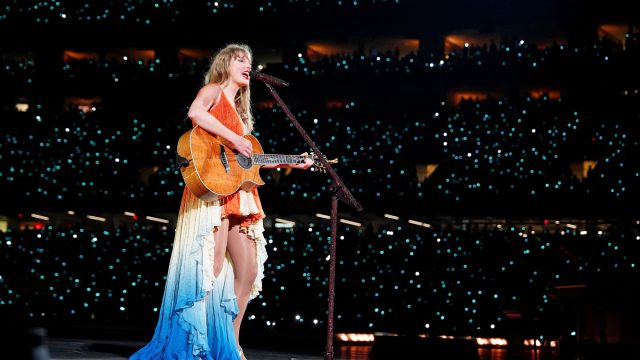
In Brazil, concert safety has taken a significant leap forward with the introduction of a new legislation known as the ‘Taylor Swift Law’. Named after the globally renowned pop artist, this law was prompted by a harrowing incident in which a fan tragically lost their life due to extreme heat conditions during a performance. The new law not only emphasizes the necessity of providing free drinking water at venues but also aims to combat the rampant issue of ticket scalping, which has long plagued fans and artists alike.
The implementation of this law marks a crucial moment in the music industry, particularly in regions like Southeast Asia, where festivals and concerts are held in challenging weather conditions. As temperatures continue to rise globally, ensuring the health and safety of concertgoers has never been more critical. Concert organizers are now tasked with the responsibility of safeguarding their audiences against heat-related illnesses while managing ticket sales ethically.
Key Provisions of the 'Taylor Swift Law'
The 'Taylor Swift Law' contains several pivotal provisions aimed at enhancing the experience for concertgoers:
- Mandatory Hydration Stations: Venues are required to install stations offering free drinking water, ensuring that fans have access to hydration throughout events.
- Scalper Penalties: Stricter penalties will be enforced on scalpers caught reselling tickets above face value, promising a fairer market for fans.
- Emergency Response Plans: Concert venues must develop and implement emergency response plans to handle heat-related emergencies effectively.
The Impact on Fans and Artists
Artists and fans alike stand to benefit from the provisions of this law. By ensuring that venues are prepared to handle extreme weather conditions, artists can perform knowing that their fans are safe and cared for. This measure not only protects individuals attending concerts but also boosts the overall experience, fostering a healthier relationship between fans and event organizers.
Grassroots Advocacy: A Driving Force
The passage of the ‘Taylor Swift Law’ underscores the importance of grassroots advocacy in effecting change. Following the tragedy, fans and advocacy groups mobilized to raise awareness about safety concerns at concerts. Their efforts drew attention to the need for protective measures, illustrating how collective voices can lead to meaningful legislative changes.
Looking Ahead: The Future of Concert Safety
As Brazil sets this precedent with the 'Taylor Swift Law', other countries may follow suit, especially in regions experiencing similar climatic challenges. This law acts as a beacon for the music industry, emphasizing that the well-being of fans is paramount. It invites a broader dialogue around the responsibilities of concert organizers and the necessity of providing a safe environment for all attendees.
In a global music landscape where the demand for live performances continues to grow, prioritizing safety will be essential. As venues adapt to these new regulations, the industry can expect an evolution in how live events are conducted, paving the way for a more secure and enjoyable experience for everyone.
Conclusion
The introduction of the 'Taylor Swift Law' is a landmark development in concert safety, taking significant steps to protect attendees from the risks of extreme weather and scalping. As other regions observe Brazil’s move, the hope is for a shift in how concerts are organized worldwide, particularly in Southeast Asia's bustling markets like Jakarta and Bali. Increased awareness and proactive measures will ensure that concertgoers can enjoy their favorite events safely and responsibly moving forward.
 Elevating Global Trade: How Fo
Global Leather Trade: Navigati
Revolutionizing Leather Export
Manufacturing Resurgence: A Ne
Elevating Global Trade: How Fo
Global Leather Trade: Navigati
Revolutionizing Leather Export
Manufacturing Resurgence: A Ne
Leave us a message
24-hour online customer service at any time to respond, so that you worry!