
The Environmental Impact of Urban Reflecting Pools: A Growing Concern | permainan slot gacor, spin slot 888, judi slot online garuda999
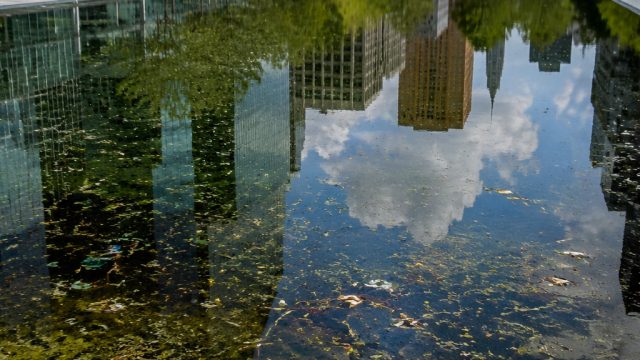
The Environmental Impact of Urban Reflecting Pools: A Growing Concern
Reflecting pools have long been symbols of tranquility in urban settings, often associated with monumental architecture and peaceful public spaces. However, recent reports have brought to light concerning issues surrounding these serene bodies of water. As we delve into the implications of maintaining these structures, it becomes evident that the environmental risks are more pressing than ever.
The Hidden Dangers of Reflecting Pools
Despite their aesthetic appeal, urban reflecting pools can harbor serious health risks. Reports indicate a concerning increase in harmful bacteria thriving in these stagnant waters. The warmth of summer months combined with the stillness of pool water creates an ideal environment for the growth of pathogens. This is particularly alarming for cities that already face public health challenges.
The Health Risks to Wildlife
One of the most pressing concerns is the impact on local wildlife, particularly for species that rely on wetlands and aquatic ecosystems for survival. Baby ducks and other waterfowl are particularly vulnerable to the toxic bacteria that can proliferate in these pools. The juxtaposition of urban life and nature's fragility is starkly highlighted here.
- High Risks of Contamination: With various pollutants entering these pools, ducks and other birds are at risk of ingesting harmful substances.
- Disruption of Natural Habitats: As urban areas expand, these pools can become isolated environments that disrupt migration patterns.
- Public Health Concerns: The presence of harmful bacteria not only affects wildlife but poses risks to humans, especially children who may play near these pools.
Why This Matters Now
The urgency of addressing the environmental impact of urban reflecting pools cannot be overstated. As cities continue to develop and urbanize, the likelihood of such issues escalating increases significantly. Urban planners and policymakers need to consider the ecological ramifications of their designs and the importance of maintaining a balance between aesthetics and environmental integrity.
Innovative Solutions for Safer Urban Spaces
Fortunately, there are solutions that can mitigate the risks associated with reflecting pools. Cities can adopt best practices in water management and pool maintenance, ensuring that the pools do not become breeding grounds for harmful organisms.
- Regular Monitoring: Implementing routine checks for water quality can help in early detection of harmful bacteria.
- Natural Filtration Systems: Utilizing plants and natural filtration techniques can enhance the ecological health of these pools.
- Public Awareness Campaigns: Educating the community about the environmental impacts can foster a sense of responsibility towards preserving urban wildlife.
The Role of Community Engagement
Community involvement is crucial in tackling the issues surrounding urban reflecting pools. Citizen-led initiatives can push for stronger environmental protections and encourage local governments to adopt better practices. Additionally, involving residents in the care and monitoring of these spaces can foster a deeper appreciation for nature amidst urban landscapes.
Building Sustainable Urban Environments
As more cities are faced with the challenge of creating sustainable environments, the lessons learned from the management of reflecting pools can serve as a model. Cities such as Los Angeles and New York have begun to incorporate green infrastructure that complements urban aesthetics while supporting ecological health. This approach not only enhances the urban landscape but also safeguards wildlife.
Conclusion: A Call to Action
As the conversation about the environmental impacts of urban design continues to evolve, it is crucial for stakeholders to acknowledge the implications of reflecting pools. The potential hazards posed to wildlife and public health demand immediate attention and action. By prioritizing eco-friendly maintenance practices and fostering community engagement, we can ensure that urban spaces remain not only beautiful but also safe for all inhabitants—human and animal alike. Now is the time for cities to reflect on their designs and make impactful changes for a sustainable future.
 Market Trends Driving the Dema
Leather Export Challenges: Ove
The Art of Leather Craftsmansh
Sustainable Leather: The Futur
Market Trends Driving the Dema
Leather Export Challenges: Ove
The Art of Leather Craftsmansh
Sustainable Leather: The Futur
Leave us a message
24-hour online customer service at any time to respond, so that you worry!