
The Rise of Hawaiian Textiles in Global Fashion Trends
Key Takeaways
- The palaka pattern symbolizes Hawaiian cultural identity.
- These textiles are transitioning from workwear to high fashion.
- Sustainable fashion demands are on the rise globally.
- Hawaiian fashion influences are seen across Southeast Asia.
- Global brands are embracing indigenous designs for uniqueness.
The Cultural Significance of Hawaiian Textiles
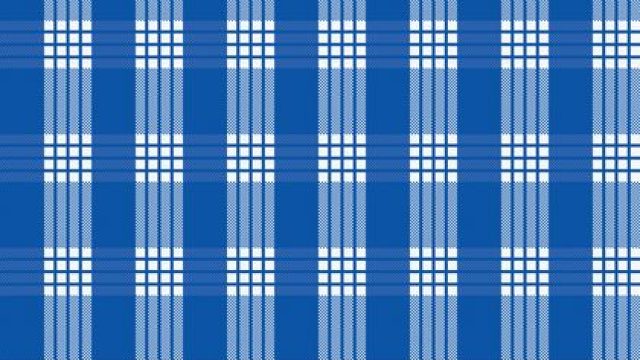
The Hawaiian textile industry has deep roots in local culture. The palaka pattern, characterized by its distinctive checkered design, originated as functional clothing for laborers. However, its relevance has evolved significantly; today, it represents not only practical wear but also a vibrant expression of Hawaiian identity and pride.
As the global fashion scene increasingly seeks authenticity, the charm of Hawaiian textiles captures attention. Particularly in the context of sustainability, consumers are gravitating toward products that reflect cultural narratives and craftsmanship. This shift underscores a growing trend where ethnic designs are celebrated on international platforms, highlighting their significance beyond mere aesthetics.
Market Trends: Hawaiian Textiles in Southeast Asia
In Southeast Asia, particularly within Indonesia and its bustling cities like Jakarta, Surabaya, and Bali, Hawaiian textiles are making waves. Local designers are integrating these unique fabrics into their collections, promoting a blend of local and indigenous influences. This cross-pollination is not only diversifying fashion lines but also reviving traditional crafts, thus creating a sustainable cycle of production.
Furthermore, the ASEAN market's emphasis on sustainable practices makes Hawaiian textiles particularly appealing. For instance, with growing awareness around eco-friendly materials, textiles made from organic fibers are experiencing heightened demand. This trend aligns perfectly with global priorities towards reducing the fashion industry's carbon footprint.
Adoption by Global Brands
Prominent fashion houses are beginning to infuse Hawaiian motifs into their collections, recognizing the uniqueness that these designs bring. Collaborations between Hawaiian artisans and renowned fashion brands highlight a commitment to stories and authenticity, offering consumers a piece of culture with every purchase.
This trend is not just confined to clothing. Accessories, home decor, and even footwear are increasingly featuring Hawaiian designs, making them a staple in diverse markets. As the fashion world evolves, the versatility of these textiles ensures they remain relevant in various contexts.
Implications for the Future of Fashion
The rise of Hawaiian textiles illustrates a broader trend in fashion toward cultural appreciation and sustainability. As brands continue to explore these themes, the demand for unique, story-driven products will only grow. This shift is not merely a passing trend; it signals the fashion industry's response to consumer preferences for authenticity and ethical production methods.
In light of these developments, businesses in the leather products sector and beyond should take note. Understanding regional influences and the significance of cultural heritage can guide future product development and marketing strategies. By embracing a more inclusive approach, brands can foster deeper connections with consumers and enhance their market presence.
Building Sustainable Connections
As more consumers become conscious of their purchasing choices, the importance of sustainable and ethically sourced products cannot be overstated. Hawaiian textiles exemplify how fashion can intersect with cultural storytelling and environmental responsibility. The ongoing interest in these textiles showcases a collective desire for fashion that respects tradition while embracing modernity.
Conclusion
Hawaiian textiles, particularly the beloved palaka design, are proving their worth in today's dynamic fashion landscape. Their journey from functional workwear to global fashion statement is a testament to the evolving nature of style and cultural significance. As the demand for sustainable, culturally rich fashion continues to soar, the role of Hawaiian textiles in shaping future trends is set to expand, making it an exciting time for both consumers and creators alike.
 DC Film Achieves Remarkable Gl
 Box Office Disappointment: Bat
 Rashmika Mandanna Reflects on
 Suriya's Upcoming Collaboratio
Leave us a message
24-hour online customer service at any time to respond, so that you worry!