
Kennedy Center's Facade Transformed: A New Era Begins | kartu rejeki, real casino games for real money
Kennedy Center's Facade Transformed: A New Era Begins
The Kennedy Center for the Performing Arts has recently made headlines with a significant transformation of its facade, marking a notable shift in its public image. The iconic Washington D.C. venue now features a new exterior that has sparked conversations across cultural and political landscapes.
A Transformative Moment in Cultural History
This change comes at a time when the nation seeks to redefine its cultural values and symbols. The removal of former President Trump's name from the center's facade serves as a powerful statement, reflecting a desire for renewal and inclusivity. The unveiling of the new design—now free from the previous political association—opens up discussions about the significance of public spaces in shaping cultural narratives.
Why the Change Matters Now
In a nation grappling with divisive sentiments, the Kennedy Center's redesign symbolizes hope for unity. It highlights a collective move towards a more inclusive representation of arts and culture. This moment is particularly crucial as communities emerge from the challenges posed by the pandemic, seeking common ground through shared experiences and artistic expression.
Behind the Tarp: What Has Been Revealed
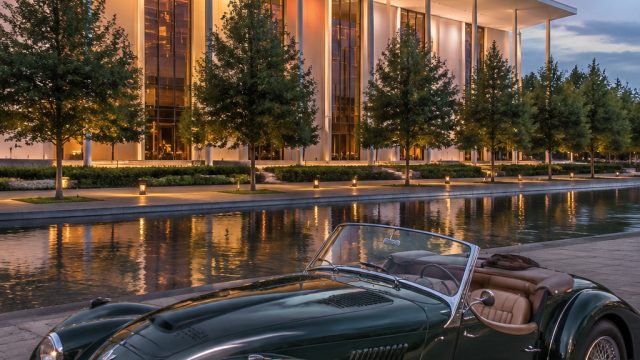
New images released recently offer a glimpse of the center's facade post-transformation. The change marks a stark contrast to its previous appearance, which had long been a point of contention. The design shift not only revitalizes the venue itself but also enhances its role as a central hub for the performing arts.
The Architectural Evolution
- Modern Design Elements: The new facade features sleek lines and contemporary materials that resonate with modern architectural trends.
- Enhanced Accessibility: This transformation emphasizes improved access for all visitors, aligning with contemporary demands for inclusivity.
- Community Engagement: The redesign process involved input from diverse community stakeholders, fostering a sense of ownership among local residents.
Public Reaction and Cultural Impact
The public's response to this facelift has been overwhelmingly positive, with many praising the decision to distance the center from its previous political affiliations. Social media platforms are buzzing with discussions and images that celebrate this new chapter. Artists, performers, and patrons alike are expressing their optimism for what this means for the future of performing arts in the capital.
Voices from the Community
Local artists have welcomed the change, seeing it as an invitation to engage more deeply with the Kennedy Center. Many have shared their thoughts on social media, emphasizing the importance of spaces that reflect the evolving identities of communities. The need for cultural institutions to adapt to societal changes is more urgent than ever.
Looking Forward: The Future of the Kennedy Center
As the Kennedy Center moves forward, it stands as a beacon of artistic expression and cultural dialogue. This facade transformation is just the beginning of a broader initiative to reconnect with communities and redefine what it means to celebrate the arts in today’s world. The center is poised to play a pivotal role in reviving Washington D.C.’s cultural landscape, fostering inclusivity, and inspiring future generations.
Conclusion: Embracing Change
The unveiling of the Kennedy Center’s renovated facade is not merely a physical alteration; it is a profound step towards embracing a more inclusive narrative in the arts. As the nation looks to heal from past divisions, the Kennedy Center stands firm as a symbol of hope, creativity, and community. This transformation serves as a reminder that change can lead to new beginnings and richer cultural expressions.
 Market Trends Driving the Dema
Leather Export Challenges: Ove
The Art of Leather Craftsmansh
Sustainable Leather: The Futur
Market Trends Driving the Dema
Leather Export Challenges: Ove
The Art of Leather Craftsmansh
Sustainable Leather: The Futur
Leave us a message
24-hour online customer service at any time to respond, so that you worry!