
The Resurgence of Leather Goods in Modern Commerce | uno multiplayer with friends, situs ketik captcha terpercaya, ori 7777 slot
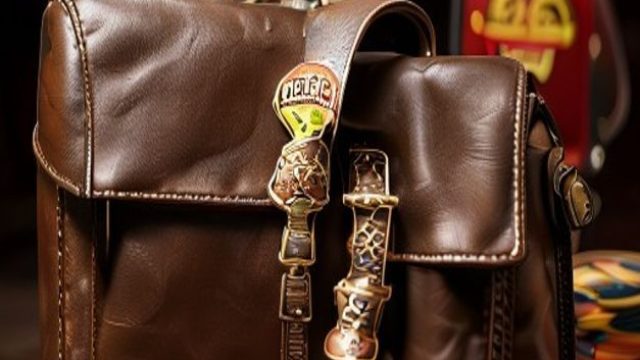
In recent years, the leather goods market has witnessed a remarkable revival, with increasing demand across various sectors. As businesses are increasingly turning to high-quality leather products for their durability, aesthetic appeal, and versatility, understanding this trend is essential for companies looking to thrive in the contemporary marketplace. This article delves into the factors driving the resurgence of leather and what it signifies for the future of B2B exports.
Trends Fueling the Leather Revival
The resurgence of leather goods can be attributed to several critical trends that are reshaping consumer preferences and business strategies.
1. Emphasis on Quality and Longevity
As consumers grow more discerning, the demand for quality products has surged. Leather, known for its durability, provides a long-lasting alternative to synthetic materials. Businesses are recognizing that investing in high-quality leather products can lead to significant savings in the long run, making it a sensible choice for B2B transactions.
2. A Shift Towards Sustainable Practices
With increasing awareness of environmental issues, many companies are now prioritizing sustainable sourcing. This has led to a renewed interest in leather as a natural product that, when ethically sourced, can be more sustainable than many synthetic alternatives. Companies that embrace sustainable leather practices can enhance their brand image and attract eco-conscious clients.
3. Customization and Personalization
The leather goods market is becoming increasingly competitive, with businesses seeking unique offerings to stand out. Customizable leather products allow companies to cater to specific client needs, whether it’s bespoke wallets or personalized promotional items, enhancing their appeal in the market.
Exploring Market Segments for Leather Exports
Different segments of the leather market are experiencing unique growth trajectories. Understanding these can help B2B exporters align their strategies effectively.
1. Fashion and Accessories
- The fashion industry remains one of the largest consumers of leather.
- High-end brands are increasingly incorporating leather in their collections, highlighting the importance of craftsmanship.
- Trends such as 'slow fashion' have further boosted demand for quality leather items.
2. Home Decor and Furnishings
- Leather is being used in furniture, upholstery, and decorative pieces, contributing to stylish interior designs.
- Consumers are inclined to invest in timeless leather pieces that enhance their living spaces.
3. Functional Goods
- From bags to tech accessories, leather is increasingly favored for its functionality and style.
- Businesses are capitalizing on this trend, providing functional yet fashionable products that appeal to a wide audience.
Why This Matters Now
As we navigate a post-pandemic world, businesses are focused on resilience and adaptability. The renewed interest in leather goods is not merely a fleeting trend; it reflects a broader shift towards quality, sustainability, and functionality. For B2B exporters, understanding this shift is vital for capitalizing on emerging opportunities.
Key Takeaways for B2B Exporters
- Investing in high-quality leather products can yield long-term benefits.
- Adopting sustainable practices can enhance brand reputation.
- Customization opportunities may open new revenue streams.
Conclusion
The revival of leather goods is not just a return to classic fashion but a response to evolving consumer values and market dynamics. As businesses align with these trends, there's a significant opportunity to drive growth in the leather export sector. By prioritizing quality, sustainability, and personalization, companies can position themselves as leaders in the modern leather market, ensuring their relevance in an increasingly competitive landscape.
 Unlocking Global Trade: The Fu
Quality Assurance in Leather E
The Dynamics of Leather Pricin
Exploring New Markets: Strateg
Unlocking Global Trade: The Fu
Quality Assurance in Leather E
The Dynamics of Leather Pricin
Exploring New Markets: Strateg
Leave us a message
24-hour online customer service at any time to respond, so that you worry!