
The Future of Smart Glasses: Is Meta Ready to Compete? | slot deposit via pulsa tri tanpa potongan, daftar angka keluar china
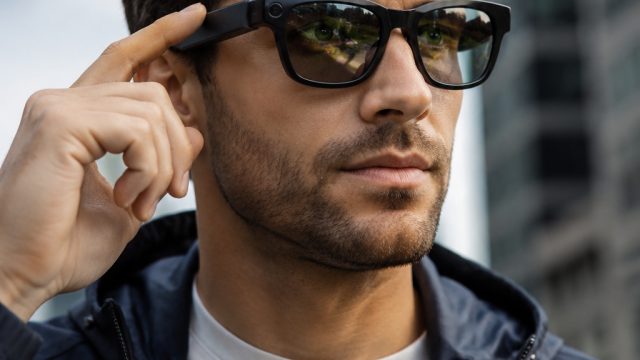
Understanding the Future of Smart Glasses: Is Meta Ready to Compete?
As technology continues to evolve at a breakneck pace, smart glasses have emerged as the next frontier in the intersection of fashion and functionality. Meta, previously known as Facebook, is diving headfirst into this niche with its own line of smart eyewear. However, the critical question remains: Can Meta carve out a significant share of the smart glasses market without the backing of an iconic brand like Ray-Ban? The answer could redefine the future of wearable technology.
Meta's Bold Move into Smart Glasses
In a tech landscape where consumer preferences shift rapidly, Meta is striving to establish its presence in the smart glasses segment. The company has long been a champion of virtual and augmented reality, but transitioning this expertise into stylish, everyday eyewear offers a unique challenge. Unlike previous attempts in the tech industry, Meta's strategy hinges on merging advanced technology with appealing aesthetics to attract a broader audience.
The Technology Behind Meta's Smart Glasses
Meta's upcoming smart glasses are expected to be packed with innovative features that enhance user experience. These include:
- Augmented Reality Capabilities: Leveraging AR to enrich users' real-world experiences.
- Seamless Integration: Connecting with social media platforms and other applications for effortless usage.
- Voice Command Functionality: Allowing users to interact with their devices hands-free.
By focusing on these technological advances, Meta hopes to differentiate its product from others currently available in the market.
The Role of Branding in Consumer Acceptance
Brand recognition plays a pivotal role in the success of consumer electronics. The partnership between Ray-Ban and Meta for the first-generation smart glasses proved that an established name can significantly boost credibility among potential buyers. Moving forward without such a partnership raises questions about consumer trust and desirability. Meta must establish a brand narrative that resonates with the audience and instills confidence in its ability to deliver quality and style.
Strategies for Enhancing Brand Appeal
To compete effectively in the smart glasses market, Meta could consider the following strategies:
- Collaborative Ventures: Teaming up with fashion designers or tech influencers to enhance visibility.
- Social Media Engagement: Utilizing platforms like Instagram and TikTok to create buzz and educate potential customers.
- User-Centric Design: Continuously gathering feedback to refine product design and features.
These avenues can help bridge the gap between technology and fashion, making smart glasses more appealing to everyday consumers.
Market Trends and Consumer Preferences
Understanding market trends is essential for any company looking to thrive in the competitive tech landscape. Current trends indicate that consumers are not just looking for functional gadgets; they seek products that reflect their lifestyle and values. Sustainability, for instance, is becoming a significant consideration in purchasing decisions.
Adapting to Consumer Needs
In light of recent shifts in consumer behavior, Meta should focus on integrating sustainable practices into its smart glass production process. This could include:
- Eco-Friendly Materials: Using sustainable resources for both frames and lenses.
- Recycling Programs: Encouraging customers to recycle old smart glasses.
- Transparency in Production: Sharing information about manufacturing processes and labor practices.
By aligning its brand with the values of modern consumers, Meta can position itself as a leader in both technology and social responsibility.
Conclusion: The Road Ahead for Meta in Smart Glasses
As Meta stands on the brink of launching its new line of smart glasses, the company faces the dual challenge of establishing itself in a competitive market while developing a strong brand identity. The integration of advanced technology with stylish designs will be crucial for attracting a diverse customer base. Furthermore, embracing sustainability and engaging with consumers through innovative marketing strategies can help Meta navigate the complexities of the smart eyewear market effectively. The outcome of this venture could very well shape the future of smart glasses and redefine consumer expectations for wearable technology.
 Market Trends Driving the Dema
Leather Export Challenges: Ove
The Art of Leather Craftsmansh
Sustainable Leather: The Futur
Market Trends Driving the Dema
Leather Export Challenges: Ove
The Art of Leather Craftsmansh
Sustainable Leather: The Futur
Leave us a message
24-hour online customer service at any time to respond, so that you worry!