
UN Initiates Urgent Plan to Rescue Sailors from Strait of Hormuz | 365bet, jkt slot game, angka pengeluaran sydney hari ini
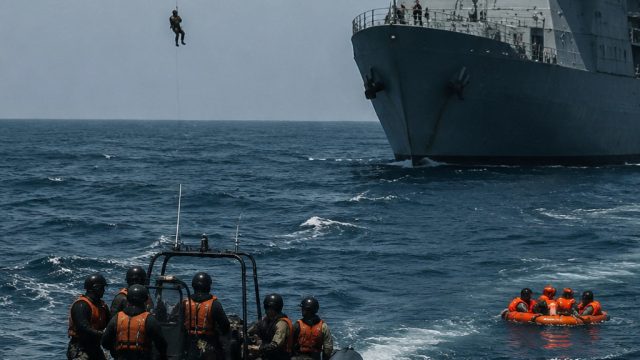
In a significant development, the United Nations has announced an urgent plan to evacuate approximately 11,000 sailors stranded in the strategic Strait of Hormuz. This vital maritime route has seen increasing congestion and challenges over recent months, raising concerns about the safety of both personnel and shipping operations in the region.
The Situation in the Strait of Hormuz
The Strait of Hormuz, a critical chokepoint for global oil shipments, has recently become a focal point of international attention due to a backlog of vessels unable to navigate through the narrow passage. After facing unprecedented delays and logistical hurdles, many sailors have found themselves unable to return home. The UN's decision to intervene reflects the growing urgency of this maritime crisis, exacerbated by geopolitical tensions and operational difficulties.
Reasons for the Evacuation
- Health Risks: Prolonged stays on board have raised health concerns among the crew due to inadequate supplies and limited access to medical assistance.
- Geopolitical Tensions: Heightened tensions in the region have made it increasingly dangerous for vessels to operate freely.
- Economic Impact: The backlog is causing significant economic strain on shipping firms and the global supply chain.
The Evacuation Process
The UN has outlined a comprehensive evacuation strategy, focusing on safe and efficient methods to transport the stranded sailors back to their home countries. This plan includes the deployment of specialized vessels equipped to handle large numbers of individuals while ensuring their safety during transit.
Logistics and Coordination
The logistical aspects of the evacuation require meticulous planning and coordination among various international maritime organizations, governments, and local authorities. The UN has emphasized the importance of communication and collaboration to navigate the complexities involved in such a large-scale rescue operation.
Implications for Maritime Safety
This evacuation plan is significant not only for the stranded sailors but also for the broader implications it holds for maritime safety and security. The ongoing situation in the Strait of Hormuz highlights the vulnerabilities of global shipping routes and the need for enhanced safety measures.
Future Considerations
As this situation unfolds, several critical considerations emerge for the future of maritime operations:
- Enhanced Safety Protocols: The incident highlights the need for stronger safety measures and protocols for ships operating in congested areas.
- Geopolitical Awareness: Companies should remain aware of geopolitical risks and their potential impact on shipping routes.
- Emergency Preparedness: The importance of emergency preparedness protocols for sailors and shipping companies cannot be overstated, ensuring they are ready to respond to similar crises in the future.
Conclusion
The UN's decisive action to evacuate stranded sailors from the Strait of Hormuz marks a pivotal moment in addressing maritime challenges exacerbated by geopolitical instability and operational inefficiencies. As the evacuation progresses, it serves as a critical reminder of the importance of international cooperation in maintaining safety and security in one of the world's busiest shipping lanes. Maritime stakeholders must remain vigilant and proactive in addressing similar challenges to ensure the safety of crews and the smooth functioning of global trade.
 Market Trends Driving the Dema
Leather Export Challenges: Ove
The Art of Leather Craftsmansh
Sustainable Leather: The Futur
Market Trends Driving the Dema
Leather Export Challenges: Ove
The Art of Leather Craftsmansh
Sustainable Leather: The Futur
Leave us a message
24-hour online customer service at any time to respond, so that you worry!