
Understanding Modern Conflicts: The Role of Warnings and Their Implications | rollingslot, raja slot29
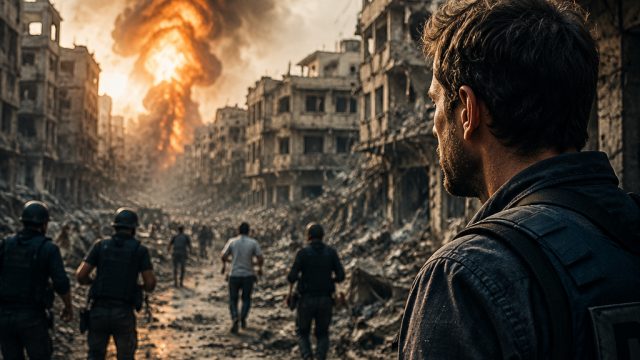
As the landscape of international relations continues to evolve, the way in which conflicts are approached has also transformed dramatically. In particular, the concept of issuing warnings prior to military actions has garnered significant attention in the realms of ethics and legality. This article examines the contemporary relevance of such warnings within military engagements, emphasizing why these discussions are particularly crucial in today's geopolitical climate.
The Importance of Warnings in Armed Conflicts
Warnings in the context of armed conflict serve as a vital mechanism for safeguarding civilians and upholding international humanitarian law. They are intended to mitigate harm by informing affected populations of incoming dangers, thereby allowing them the opportunity to evacuate or seek shelter. As conflicts become more complex and involve various non-state actors, the importance of these warnings cannot be overstated.
Historical Context of Military Warnings
Traditionally, warnings have been employed as a means to adhere to the principles of distinction and proportionality as outlined in international humanitarian law. These principles are crucial for minimizing civilian casualties during hostilities. Historically, the issuance of warnings has been influenced by both moral imperatives and strategic considerations. For instance, during World War II, belligerents often used leaflet drops to inform populations of impending bombings, reflecting an early understanding of the need to protect non-combatants.
Legal Implications of Warnings in Modern Warfare
The legal landscape surrounding military warnings is fraught with challenges and complexities. While the Geneva Conventions emphasize the necessity of minimizing civilian suffering, the application of these legal standards in asymmetric warfare scenarios—such as those involving terrorist organizations or insurgent groups—raises significant questions. The nature of these conflicts often blurs the lines between combatants and civilians, complicating the issuance and effectiveness of warnings.
Contemporary Case Studies
Recent conflicts illustrate the evolving nature of military engagements and the role warnings play:
- Syria: In the Syrian conflict, warnings have been utilized in an attempt to protect civilians from airstrikes. However, the effectiveness and credibility of these warnings have been called into question, leading to ongoing debates about their legality.
- Ukraine: The ongoing conflict in Ukraine exemplifies the challenges of issuing warnings in a rapidly changing battlefield. As various factions engage in combat, the necessity for clear communication becomes pronounced.
- Israel-Palestine: The Israeli Defense Forces often issue warnings before strikes, citing a commitment to civilian safety. Nonetheless, these practices are scrutinized, with critics questioning their effectiveness and the motivations behind them.
The Ethical Dimensions of Warnings
Beyond legal considerations, the ethical dimensions of issuing warnings in conflict settings require careful examination. The proactive approach of warning civilians can be seen as a moral obligation, promoting greater accountability among military actors. Yet, the effectiveness of such warnings is contingent upon various factors, including the trustworthiness of the source and the conditions on the ground.
Public Perception and Trust
Public perception plays a crucial role in the effectiveness of warnings. For warnings to be taken seriously, there must be an underlying trust between affected communities and the issuing party. In many conflicts, historical grievances and ongoing hostilities can severely undermine this trust, leading to skepticism regarding the intentions behind warnings.
Why This Matters Now
In light of the current geopolitical climate, characterized by increasing tensions and the possibility of military escalations, the topic of warnings in conflicts has never been more relevant. The rise of non-state actors and the complexity of modern warfare necessitate a reevaluation of how warnings are issued and perceived. As global citizens and stakeholders in international security, understanding these dynamics is essential for fostering a more peaceful future.
Conclusion
Warnings in contemporary conflicts embody a critical intersection of legal, ethical, and practical considerations. The need for effective and credible warnings is paramount in reducing civilian harm and ensuring adherence to international humanitarian standards. As conflicts continue to evolve, the dialogue surrounding the role of warnings will undoubtedly play a pivotal role in shaping future military strategies and humanitarian efforts. Staying informed and engaging in these discussions is vital for all involved in or affected by global conflicts.
 Market Trends Driving the Dema
Leather Export Challenges: Ove
The Art of Leather Craftsmansh
Sustainable Leather: The Futur
Market Trends Driving the Dema
Leather Export Challenges: Ove
The Art of Leather Craftsmansh
Sustainable Leather: The Futur
Leave us a message
24-hour online customer service at any time to respond, so that you worry!