
EU and Taliban: A New Chapter in Diplomatic Relations | 789betmax com, dunia jackpot
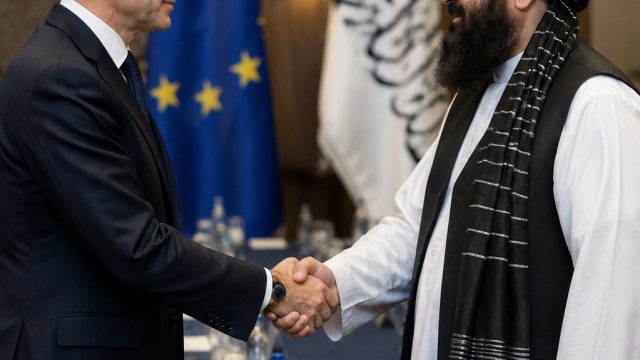
The recent closed-door talks between the European Union (EU) and the Taliban mark a significant moment in international diplomacy, aimed at addressing pressing issues such as deportations. This unprecedented event underscores the shifting geopolitical landscape and highlights the EU's evolving approach towards engagement with the Taliban regime.
Context of the Talks
For the first time since the Taliban regained power in Afghanistan, EU officials have met with representatives of the Taliban in Brussels. The talks were primarily focused on the complex issue of deportations, a critical topic that affects not only Afghanistan's citizens but also European nations grappling with asylum policies. The discussions come at a crucial time when many are questioning the EU's stance on migration and the treatment of individuals seeking refuge from conflict and oppression.
Why Now? The Urgency of the Situation
- The ongoing humanitarian crisis in Afghanistan has created a pressing need for dialogue.
- European nations are facing increased pressure to manage asylum claims in the wake of rising global tensions.
- Negotiating with the Taliban may provide a pathway to stabilize the situation for Afghan citizens.
The Role of Consular Access
During the discussions, one of the Taliban's key demands was for enhanced consular access in Europe. This request reflects their desire to establish formal ties and ensure the rights of Afghans living abroad. Such access is not merely about facilitating travel; it extends to protecting Afghan nationals facing deportation from the EU.
Implications for European Nations
By engaging in dialogue with the Taliban, the EU may be taking a pragmatic approach to manage the complex realities on the ground. Here are some implications for European nations:
- Legal Frameworks: Establishing a legal basis for deportations may lead to clearer guidelines for handling Afghan nationals.
- Human Rights Concerns: The EU must balance its humanitarian responsibilities with its immigration policies.
- Regional Stability: The talks could be a step towards stabilizing the region, ultimately benefiting European security.
Criticism and Controversy
The decision to host Taliban officials in Brussels has sparked fierce criticism among various stakeholders. Many within the EU express concern over legitimizing a regime widely accused of human rights violations. Critics argue that engaging with the Taliban could undermine European values and diminish the impact of global sanctions aimed at the regime.
Public Opinion and Political Ramifications
Public sentiment regarding the EU’s engagement with the Taliban is mixed. While some view it as a necessary step towards addressing humanitarian needs, others worry about the message it sends regarding compliance with international norms.
- Support: Advocates believe constructive dialogue is crucial for ensuring the safety of Afghan refugees.
- Opposition: Detractors feel this approach diminishes accountability for the Taliban's actions.
Looking Ahead: The Future of EU-Taliban Relations
As talks progress, the future of EU-Taliban relations remains uncertain. Key factors will influence the trajectory of these interactions, including:
- Ongoing humanitarian needs within Afghanistan.
- The EU's ability to unify its member states around a coherent policy.
- The Taliban's commitment to addressing concerns raised by the international community.
Engaging the Taliban diplomatically may open pathways for a more stable Afghanistan, yet it also raises significant ethical and political questions. As this situation evolves, the international community watches closely, hoping for a resolution that prioritizes human rights and dignity.
Conclusion
The first closed-door meetings between the EU and the Taliban symbolize a critical juncture in international diplomacy. While the talks are fraught with complexity and controversy, they represent an essential step towards addressing urgent humanitarian issues. As the EU navigates this delicate landscape, the outcome of these discussions could shape the future of migration and refugee policies across Europe.
 Market Trends Driving the Dema
Leather Export Challenges: Ove
The Art of Leather Craftsmansh
Sustainable Leather: The Futur
Market Trends Driving the Dema
Leather Export Challenges: Ove
The Art of Leather Craftsmansh
Sustainable Leather: The Futur
Leave us a message
24-hour online customer service at any time to respond, so that you worry!