
Concerns Rise Over NASA's Plan for ISS Decommissioning and Ocean Impact | jalan tikus slot, slot joker123
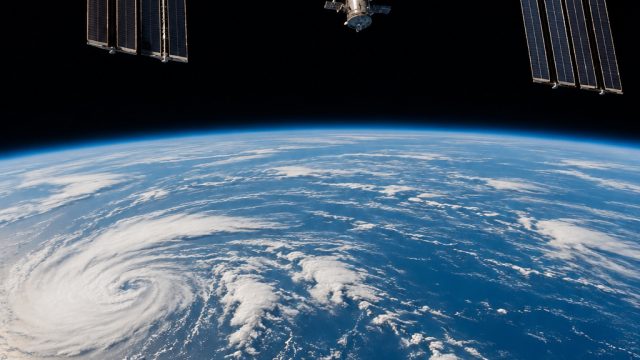
The International Space Station (ISS), a symbol of human ingenuity and collaboration in space exploration, is nearing the end of its operational life. As NASA outlines its plans for decommissioning and ultimately disposing of the ISS, experts are expressing significant concerns regarding the environmental repercussions, particularly on ocean health. The urgency of this discussion amplifies as we grapple with the pressing need to safeguard our planet’s ecosystems.
The ISS: An Overview of its Role and Legacy
Launched in 1998, the ISS has been a platform for groundbreaking scientific research, fostering international partnerships in space. As the space station ages, its maintenance has increasingly become a challenge, prompting NASA to devise a strategy for its eventual decommissioning. The proposed plan suggests a controlled deorbit, where the ISS will be directed to descend into the ocean. However, experts warn that this decision might not be as straightforward as it appears.
Key Concerns About Ocean Health
Environmental scientists raise alarms about the potential impacts of decommissioning the ISS in the ocean:
- Debris and Contamination: The ISS is composed of various materials that could pose a risk of pollution. The introduction of these materials into marine ecosystems can have devastating effects.
- Impact on Marine Life: The controlled disposal might disrupt local marine habitats. As the ISS descends, it could harm wildlife and affect biodiversity in these waters.
- Waste Management: There is a broader conversation regarding space debris and how we manage it. The ISS decommissioning plan raises questions about our responsibility in maintaining both space and ocean health.
NASA’s Justification and the Need for a Sustainable Plan
NASA justifies its plan on the basis that a controlled descent minimizes risks of uncontrolled re-entry and potential accidents over populated areas. However, the environmental implications require careful consideration and a strategic approach to ensure that ocean ecosystems are protected.
Alternative Solutions and Global Perspectives
Experts recommend exploring alternative solutions that could mitigate the risks associated with ocean disposal:
- Recycling Components: Before decommissioning, salvaging and recycling usable components of the ISS could reduce waste and promote sustainability.
- Temporary Storage Solutions: Rather than immediate disposal, storing the ISS components in secure facilities on land could allow for a more studied approach to their eventual disposal.
- International Collaboration: Engaging the global community to find solutions that prioritize environmental health can foster innovation and shared accountability.
The Importance of Immediate Action
The conversation about the ISS decommissioning is not merely a technical discussion; it touches on our responsibility to protect our planet. The implications of this decision resonate beyond space agencies and affect every individual on Earth. As the window for action narrows, stakeholders from various sectors must come together to advocate for environmentally sound practices.
Conclusion: A Call for Responsible Action
As NASA prepares to decommission the ISS, we stand at a pivotal juncture. The need for responsible action that prioritizes ocean health cannot be overstated. While space exploration continues to push the boundaries of human achievement, it is imperative that we do not lose sight of our planet. Engaging in meaningful dialogue and pursuing sustainable practices will be crucial as we address the environmental challenges posed by the legacy of the ISS. Only through collaboration and innovation can we ensure a healthier future for our oceans and our world.
 Market Trends Driving the Dema
Leather Export Challenges: Ove
The Art of Leather Craftsmansh
Sustainable Leather: The Futur
Market Trends Driving the Dema
Leather Export Challenges: Ove
The Art of Leather Craftsmansh
Sustainable Leather: The Futur
Leave us a message
24-hour online customer service at any time to respond, so that you worry!