
Iran's Strategic Maneuvers in the Strait of Hormuz: What’s at Stake Now | gacor77 slot, mio77
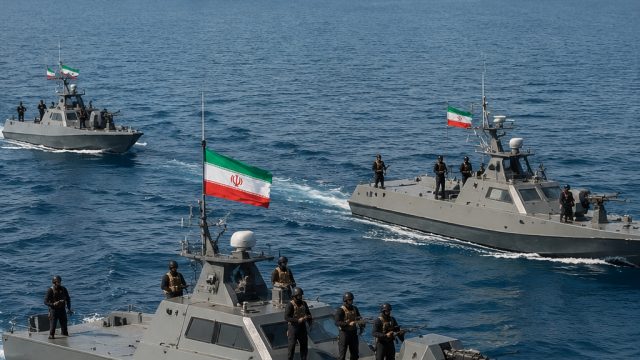
Iran's Strategic Maneuvers in the Strait of Hormuz: What’s at Stake Now
In recent weeks, the geopolitical landscape surrounding the Strait of Hormuz has become increasingly tense. As Iran asserts its authority over this critical maritime passage, the implications for global trade and energy markets are profound. This article explores the reasons behind Iran's current strategies, the potential risks involved, and how these developments may influence international relations and economic stability.
The Importance of the Strait of Hormuz
The Strait of Hormuz is not just any waterway; it is a vital artery through which approximately 20% of the world's oil supply passes. This narrow channel connects the Persian Gulf to the Arabian Sea, making it a focal point for global shipping and trade. With the rising tensions in the region, the stakes have never been higher, prompting calls for heightened awareness of this strategic passage.
Current Developments in Iranian Policy
Recent statements from Iranian officials suggest a definitive shift in how the country views its role in managing the Strait. For instance, Iran's lead negotiator has publicly stated that the nation will take charge of operations within the waterway. This declaration underscores Iran's intent to establish a firmer grip on a region already fraught with instability.
Impact on Global Oil Supply and Prices
The prospect of Iran exercising more control over the Strait of Hormuz raises alarm bells in global oil markets. Experts warn that any disruption to shipping routes could lead to soaring oil prices, impacting economies worldwide. The ripple effects could be felt in various sectors, from transportation costs to consumer prices.
Potential Risks and Concerns
- Increased Tensions: As Iran asserts control, there is a risk of conflict with Western nations that rely heavily on the safe passage of oil tankers.
- Economic Repercussions: Fluctuating oil prices could lead to economic downturns in countries dependent on stable energy supplies.
- Shipping Security: Heightened military presence in the region raises questions about the safety of commercial shipping routes.
The Role of International Community
The international community needs to respond proactively to these developments. Diplomatic efforts must be intensified to ensure that the Strait of Hormuz remains accessible for all nations. Engaging in dialogue with Iran could help ease tensions and promote a sense of shared responsibility for this critical route.
Strategies for De-escalation
To mitigate the risks of escalation, various strategies can be employed:
- Multilateral Talks: Initiating discussions among key stakeholders could foster a collaborative approach to managing maritime security.
- Monitoring and Surveillance: Enhancing surveillance capabilities can deter potential aggressive actions and reassure shipping companies.
- Economic Incentives: Offering economic benefits for maintaining open trade routes may encourage cooperation from Iran.
Conclusion
As Iran's ambitions in the Strait of Hormuz become clearer, the global community must recognize the significance of these developments. The potential for heightened tensions poses risks that extend beyond regional borders, affecting economies and energy markets around the world. By fostering understanding and cooperation, it may be possible to navigate these turbulent waters and ensure that the Strait of Hormuz remains a passage of peace rather than conflict.
 Market Trends Driving the Dema
Leather Export Challenges: Ove
The Art of Leather Craftsmansh
Sustainable Leather: The Futur
Market Trends Driving the Dema
Leather Export Challenges: Ove
The Art of Leather Craftsmansh
Sustainable Leather: The Futur
Leave us a message
24-hour online customer service at any time to respond, so that you worry!