
Unveiling Cranston's Political Dynamics: A Shift in Party Alliances
Introduction
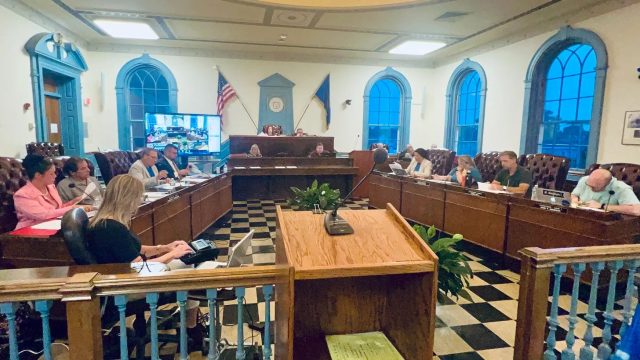
Cranston, Rhode Island, is currently experiencing a fascinating evolution in its political landscape, characterized by unexpected alliances and shifting dynamics. As local elections approach, the actions of political figures and their affiliations are drawing public attention, particularly concerning surprising endorsements and financial contributions. This article delves into the recent developments surrounding Republican Mayor Michael Beauregard and the Democratic primary candidate he is backing, shedding light on the implications for governance in Cranston.
Key Takeaways
- Cranston's political scene is witnessing unusual party collaboration.
- Mayor Beauregard's support for a Democratic candidate raises eyebrows.
- Local governance dynamics are shifting with election season approaching.
- Voter engagement is critical amid changing political affiliations.
- Understanding these trends is vital for discerning future local policies.
Unexpected Political Alliances
The political arena in Cranston has long been characterized by its traditional party lines. However, recent events have demonstrated that these boundaries are increasingly fluid. Mayor Beauregard's decision to financially support a candidate from the opposing party signifies a departure from conventional election strategies. This strategic move highlights a growing trend among politicians to prioritize collaborative approaches over strict party loyalty.
The Context of the Support
The backing of a Democratic candidate by a Republican mayor may seem unusual, yet it reflects a pragmatic approach to governance. In a time when local issues often transcend party ideology, leaders are recognizing the need to unite for the common good. This evolving perspective is particularly relevant in a diverse area like Cranston, where community needs can often overshadow partisan divides.
The Implications for Local Governance
As Cranston approaches its local elections, the implications of these party shifts are profound. Voter sentiment is crucial, and residents are increasingly seeking leaders who prioritize the community over political affiliations. This trend suggests that candidates who exhibit a willingness to cross party lines may resonate more with constituents, potentially altering the political landscape in ways not previously foreseen.
Engaging Voters in a Changing Environment
With the election drawing near, engaging voters is more critical than ever. Candidates must convey their commitment to addressing local issues regardless of their party backgrounds. Strategies that emphasize transparency and direct community engagement could be pivotal. Residents in Cranston—much like those in other parts of the ASEAN region, including Indonesia's vibrant cities like Jakarta and Bali—are becoming increasingly focused on practical solutions rather than ideological battles.
The Future of Cranston Politics
The evolving political landscape in Cranston raises questions about what the future holds for local governance. Will this trend of cross-party support continue to grow? How will it influence upcoming elections and policy-making? The answers to these questions will likely shape not only the immediate future of Cranston politics but could also offer insights for other regions navigating similar dynamics.
Broader Trends in ASEAN Political Dynamics
The situation in Cranston echoes broader trends seen in Southeast Asia, where political landscapes are often influenced by shifting allegiances and the prioritization of community over party. This perspective resonates particularly in the context of Indonesia's rapidly changing political climate. Leaders across the region may be inspired by the implications of Cranston’s political developments, applying similar strategies to foster unity in governance.
Conclusion
Cranston’s political landscape is a case study in the importance of adaptability and collaboration in governance. As unexpected alliances form, the impact on local governance could be significant, fostering a more engaged and responsive political environment. The residents of Cranston, like those in much of Southeast Asia, are poised to influence the direction of their communities through informed voting and civic participation.
 DC Film Achieves Remarkable Gl
 Box Office Disappointment: Bat
 Rashmika Mandanna Reflects on
 Suriya's Upcoming Collaboratio
Leave us a message
24-hour online customer service at any time to respond, so that you worry!