
Unlocking Jurassic Soundscapes: AI Brings Ancient Insects to Life
Introduction
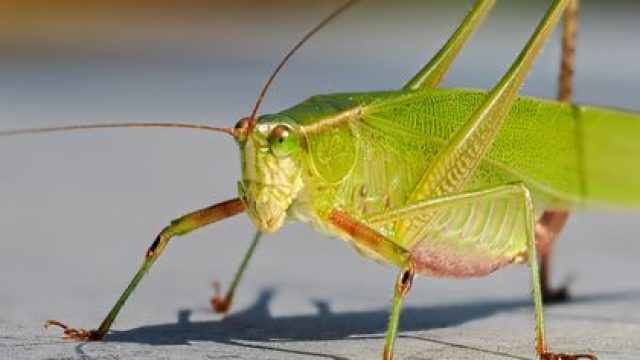
In a groundbreaking study, researchers have utilized artificial intelligence to reconstruct sounds from the Jurassic era, particularly the chirps of insects akin to modern-day katydids. This innovative approach not only offers a fresh perspective on ancient ecosystems but also highlights the advancements in technology that can bridge millions of years of evolutionary history.
Why This Matters Now
The revival of ancient soundscapes is particularly significant in today's world, where understanding the past can inform future ecological efforts. With climate change pressing heavily on current ecosystems, insights from long-lost species can guide conservation strategies and ecological restorations. As we witness rapid environmental shifts, the lessons from the past become increasingly crucial.
Key Takeaways
- Researchers have reconstructed sounds of Jurassic insects using AI technologies.
- This study provides unique insights into ancient ecosystems and biodiversity.
- Understanding these sounds can inform modern ecological conservation efforts.
- The use of fossilized wings was key to modeling the sound emissions.
- This research could inspire further studies in paleobiology and environmental science.
The Role of Technology in Reviving Ancient Ecosystems
Artificial intelligence has made significant strides in the field of paleontology. By analyzing fossilized remains, specifically the wings of ancient insects, scientists can model their potential sound production. This method not only sheds light on the biological aspects of these creatures but helps paint a broader picture of their habitat and behaviors.
How Fossil Analysis Informs Sound Reconstruction
Fossils provide critical information about the morphology of ancient insects. By examining wing structures, scientists can infer how these insects might have produced sounds. For instance, the size and shape of wings can determine the frequency and pitch of the noises they made. Such analyses are vital in reconstructing the acoustic environment of the Jurassic period.
The Importance of Sound in Ecosystems
Sound plays an integral role in the survival and communication of many species. Understanding how ancient insects communicated can provide insights into their social structures and behaviors. This research could also offer parallels to modern species in Southeast Asia, like those found in Indonesia's diverse ecosystems, emphasizing the importance of sound in ecological interactions.
Broader Implications for Modern Research
The implications of this study extend beyond mere curiosity about the past. As environmental challenges intensify, frameworks for ecological restoration can benefit from historical data on species interactions and habitat conditions. By leveraging knowledge from prehistoric times, scientists can develop more effective conservation strategies today.
Connecting the Past with Present Conservation Efforts
In regions like ASEAN, where biodiversity is under threat, understanding historical ecosystems can provide crucial context for current conservation initiatives. Researchers can use these insights to foster better preservation methods and to restore habitats that have been degraded over time.
Conclusion
The ability to recreate sounds from the Jurassic period through AI not only enriches our understanding of ancient life but also highlights the interconnectedness of past and present ecosystems. As we face mounting environmental pressures, this research underscores the importance of looking back to inform future conservation efforts. By bridging millions of years of history with modern technology, scientists are paving the way for a deeper understanding of our planet's ecological narrative.
 DC Film Achieves Remarkable Gl
 Box Office Disappointment: Bat
 Rashmika Mandanna Reflects on
 Suriya's Upcoming Collaboratio
Leave us a message
24-hour online customer service at any time to respond, so that you worry!